
10% OFF for first 15 Students + 2 More Offers
Admission Open [2025/26]
Master of Vocation In Fashion Design
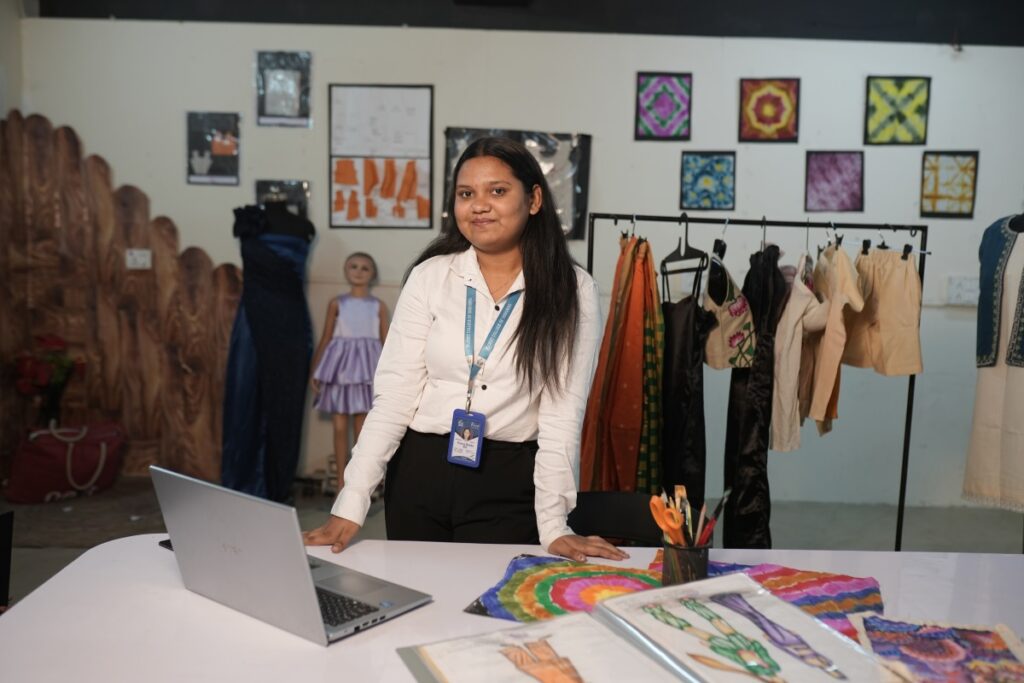
At Floret College, the Master of Vocation in Fashion Design is built for learners who want advanced design capability plus industry-ready business understanding. Learn how to take a concept from idea to market—supported by studio practice, portfolio mentoring, and fashion software exposure.
- UGC-approved degree course pathway available
- ISO compliant, MSME certified
- E-commerce & digital marketing training for fashion business development
Application closes in
Days
Hours
Minutes
0
%
Placement Track Record
0
/5
Google Rating
0
+
Tie-Ups with Industries
0
+ LPA
College HIghest CTC
Certification & Affiliated with


Course Overview
Turn Your Creativity Into a Fashion Career
Our M.Voc in Fashion Design blends advanced fashion development with professional workflow thinking. From apparel planning and brand positioning to market-facing presentation, you’ll build the confidence to work in design studios, retail brands, or your own label.
- 100% industrial training & placement guidance
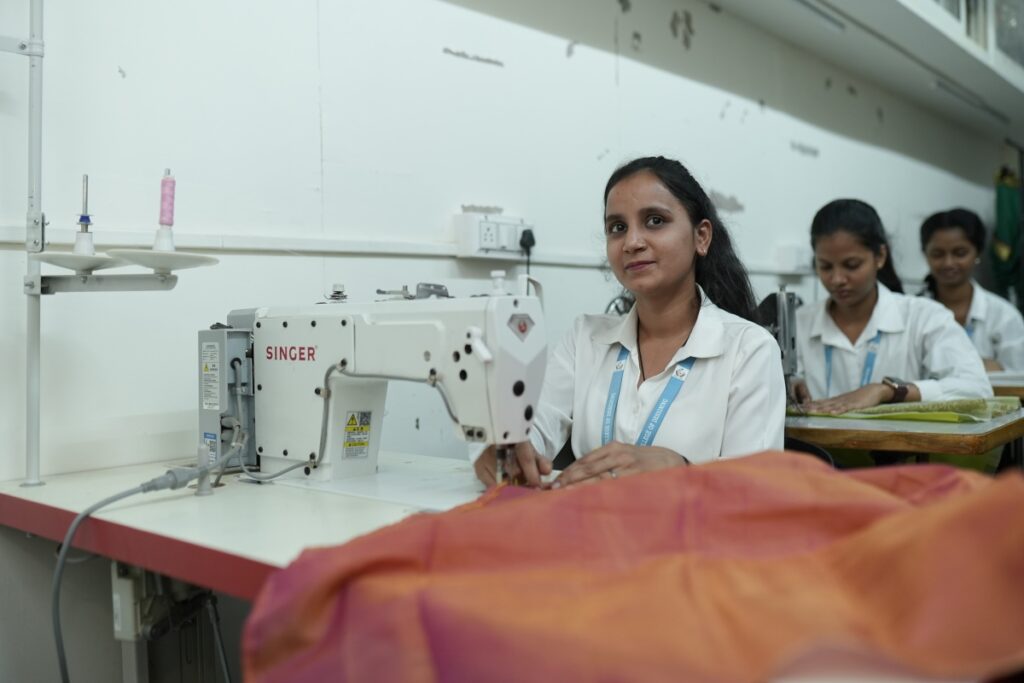
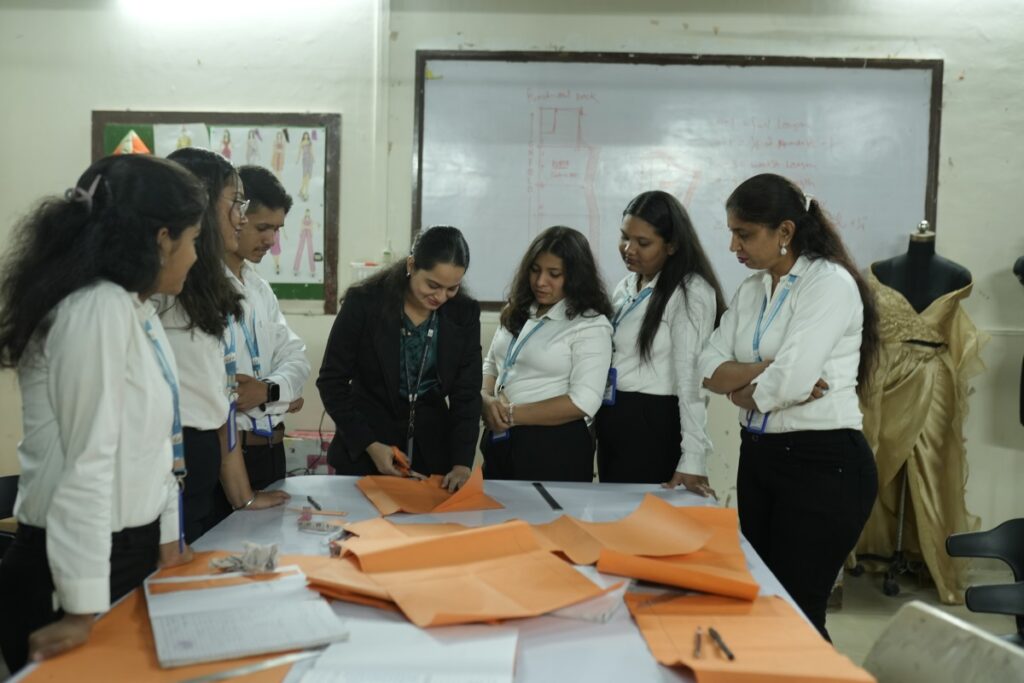
- Hands-on learning through live projects & internships
- Entrepreneurship & fashion business development training
- Expert faculty & software-led portfolio development
Program
carriculum
24 Months | 4 Semesters
- Apparel Manufacturing
- Design development Process
- Design Process
- Fashion & Garment care
- Fashion Communication
- Fashion Forecasting
- Luxury Brands management
- Visual Merchandising
- Boutique Management
- Entrepreneurship
- Export Documentation
- Fashion Event Management
- Fashion Marketing
- Market Studies & research devp.
- Retail management
- Project
Our Benefits
Career Opportunity in the fashion design profession
Fashion careers are growing across design, production, styling, retail, and brand-building—and the strongest professionals are the ones who can combine creativity with execution.

Job Opportunities
Careers360 notes that a fresher fashion designer salary can start around ₹2.5–₹3.5 LPA. SalaryExpert estimates senior-level fashion designers (8+ years) averaging ₹12,07,243/year depending on role and market.
- Fashion Designer
- Fashion Illustrator
- Fashion Merchandiser
- Visual Merchandiser
- Boutique / Retail Manager
- Fashion Marketing Executive
- Apparel Production Coordinator
- Brand Styling & Image Consultant
- Fashion Entrepreneurship / Label Owner
Freelance/ Business Opportunities
Fashion is one of the few creative careers where skill + portfolio can quickly become paid work. After consistent practice and industry exposure, many designers transition into freelancing, boutique work, or launching a personal brand with clients across occasions and categories.
- Boutique / label setup
- Custom outfit design & tailoring coordination
- Bridal & occasion-wear studio services
- Fashion styling (personal / shoots)
- Fashion illustration services
- Surface ornamentation / embroidery services
- Fashion e-commerce store setup
- Fashion content + brand collaborations
- Design consulting for local brands

Testimonials
What Our Student Say?
It boosts our confidence & energy to deliver more when we get such feedback from students. Love to hear from you when you end up the course by getting placed in the industry.
Hello!! Myself Vidya More. I am in 1st year fashion designing student from Floret College of Designing. I have applied for degree. Our faculties, they are very... Read More

Hello people, Disha this side i have join the fashion designing crash course which is taken by floret college baner pune its is for 15 days n i have got a very nice... Read More
Floret College of interior and fashion designing is doing there best in appearance and ofcource there fashionable attire and here I'm talking about there...Read More
My self Nandini Bhoir from first year fashion design Diploma. I am experiencing very good treatment by all faculties of college. All the faculties are very friendly...Read More
Our Placed Students


Enroll Now
What Are You Waiting For?
Enroll now at Master of Vocation In Fashion Design and shine in your career.
Application closes in
Days
Hours
Minutes
Get 0% Interest Free Education Finance
Don’t Compromise on good course or good institute only because of money. We give our students a way to comfortably choose monthly EMI Option.

FAQ
Frequently Asked Questions
Explore our FAQs to learn about courses, admissions, industrial training, placements, and how we prepare students for global careers in Fashion Design.
Generally, a fashion designing college or degree in fashion designing is affiliated with a university and offers extensive education spanning over time, theoretical and practical learning along with sometimes, liberal arts subjects. Conversely, a fashion designing institute is generally skill-based and focuses on specializations in diploma and certificate programs.
There are several careers available to a graduate from a fashion design school, from being a fashion designer to a textile designer, stylist, costume designer, merchandiser, or fashion buyer. Graduates may also find jobs in marketing and branding as well as visual merchandising.
Yes, in many cases, scholarships for fashion designing education are provided by the concerned college or institution. Scholarships may either be on a merit basis or may be availed through need or towards the encouragement of other underrepresented groups in the field. A few of them are also extended based on academic performance or the creative talent of the student.
Settle on the best fashion designing college after weighing up the course, the expertise of faculty members, collaborations with industries, and what great alumni fashion themselves into. Look for top fashion designing colleges that provide hands-on training along with internships to give students the experience of working with modern facilities like design studios and textile labs.
Estimation of fashion designing colleges may be charged between cheap to expensive price ranges depending on institution, country, and duration of study. Tuition fees will most likely run high in recognised colleges or state-of-the-art institutes. Though quite many institutions have suited out for various financial assistance options, and scholarships, to assist with education fees.
A fashion designing institute would teach skills such as sketching, pattern making, garment construction, fabric selection, and digital design through software. The focus in institutes is usually more on creativity, technical skills, and practical use.
The fee structure varies widely for various programs as well as the level of institution and duration of study. The annual fees for diploma courses range from INR 50,000 to INR 2,00,000. The fees for undergraduate programs are INR 3,00,000 to INR 10,00,000 annually.
Floret Fashion Designing Institute is one of the best. Its programs are comprehensive and flexible, with industry-oriented expert faculty. Moreover, it has a degree and diploma course to meet the needs of aspiring designers. For practical learning and creative development, it has best practices over its classes.
Today, fashion designing institutes are offering online courses to satisfy the growing need for flexibility in academic plans. These courses usually deal with the basics like sketching, an understanding of textiles, and the management of fashion businesses.
